


Many thanks to Jennifer Jones of TrackingDowntheFamily and her guest today, Anne Young of Anne’s Family History, for their stories about Australia’s Caroline Chisholm. It was lovely to see , , , , , and many more for taking the time to join us online for today’s special program.

Caroline Chisholm (1808–1877)
With an audience representing not only Australia but also New Zealand, Canada, and the United States, our talk today helped give us a new appreciation for nineteenth-century Australia and the immigration waves that helped develop the country.
One of the most interesting aspects was how her story appears to have faded from popular consciousness once she was removed from the currency. This is a terrific reminder of the power of story and how our own stories can keep memories of ancestors alive in a family.
Referenced images
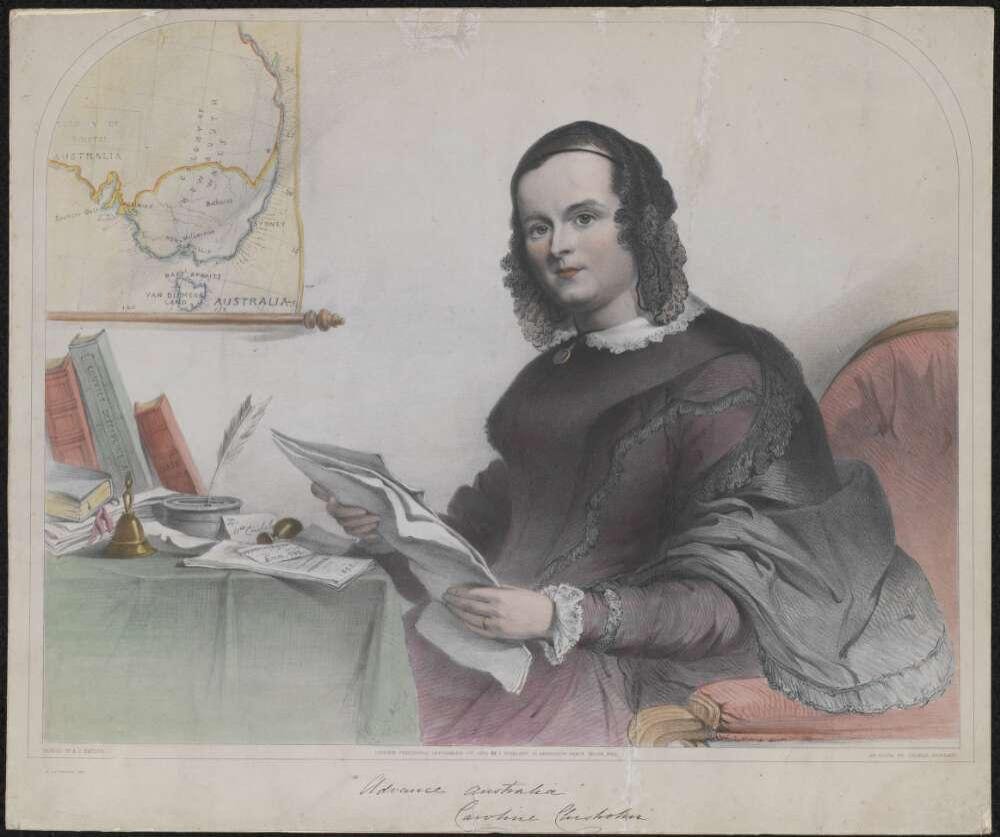
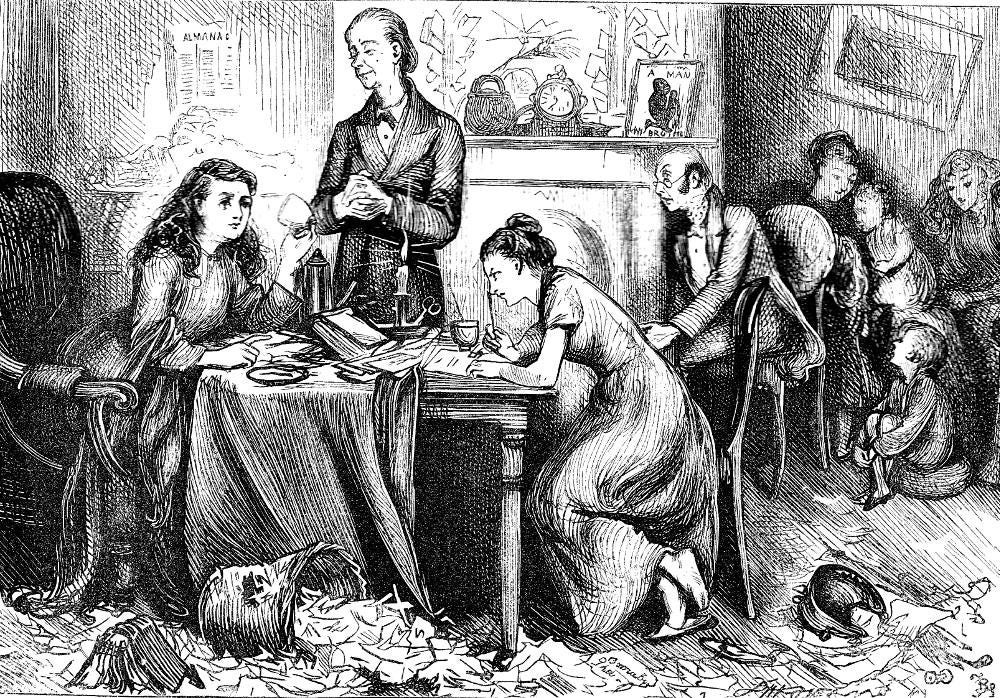
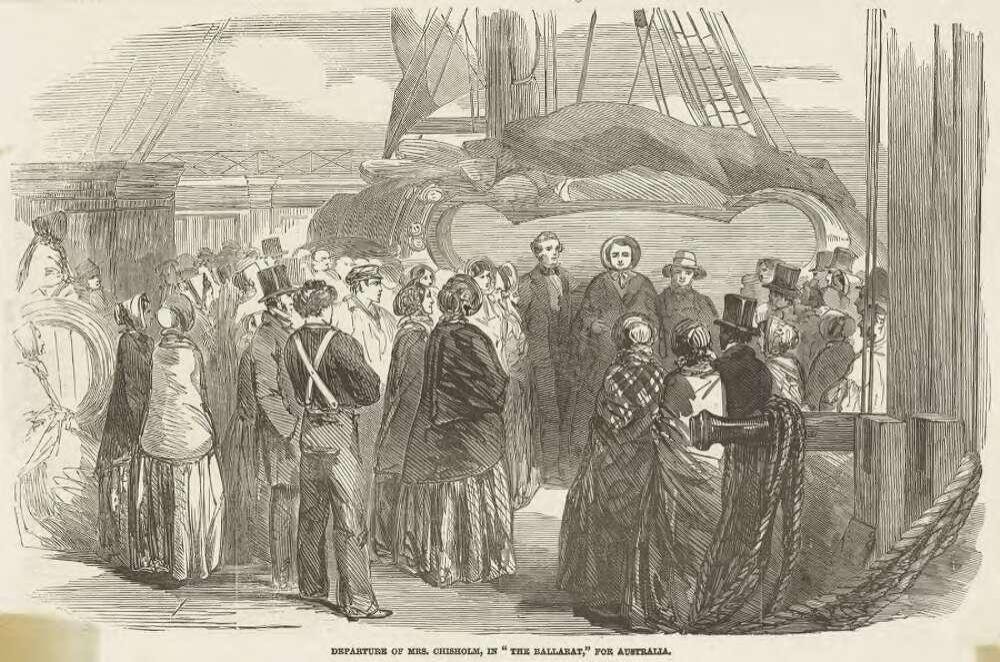
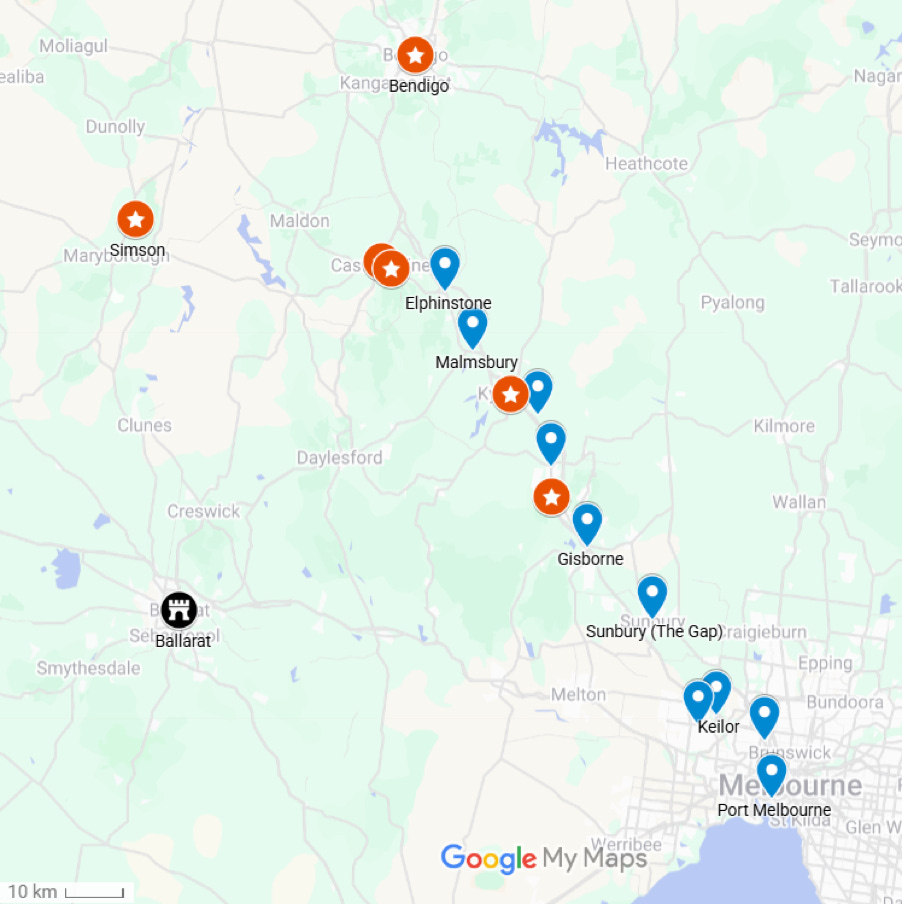
Anne referenced Ballarat and Caroline Chisholm’s travels in October and November 1854 from Melbourne to the diggings at Bendigo.
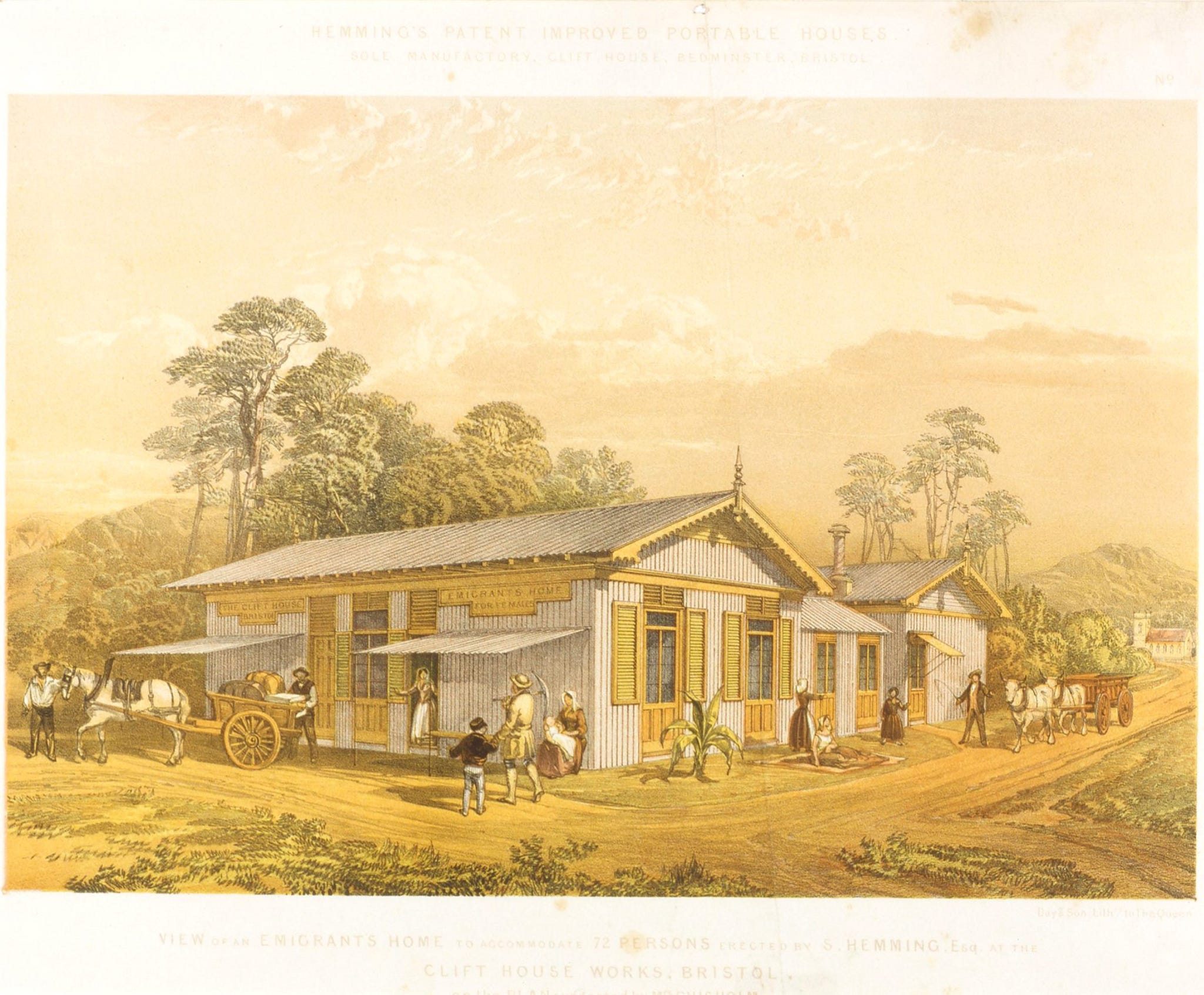
You can also explore Jennifer and Anne’s post in anticipation of today’s program from earlier this week:

Resources
Anne and Jennifer shared a few resources they thought you might be interested in exploring further.
Analysis: Journal of Public Pedagogy: “Caroline Chisholm: public pedagogy personified,” by Flossie Peitsch at Victoria University

Join us at the Speakers’ Corner next month!
Over the coming months, we plan to build on this first episode of the series to create a warm, friendly, and welcoming space where these stories can be shared, heard, and celebrated. Next month, Jennifer will be joined by
and . Tap below to learn more and register.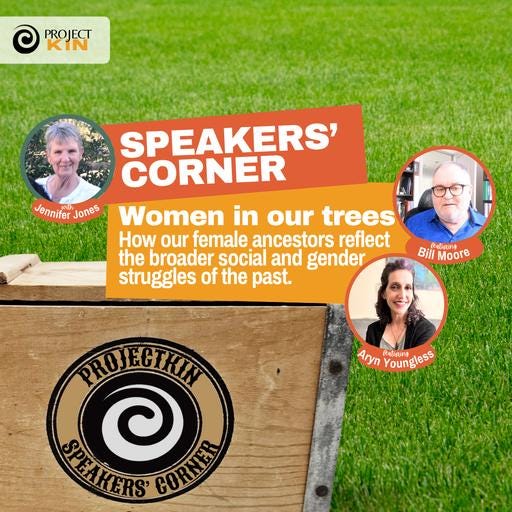
Watch for our Substack Live preview a few days earlier, too!
Step up on the Soapbox
We have programs in planning stages through mid-2026, but there’s still room for you to tell your story. Events will be held live and recorded in the same manner as other Projectkin events. Unlike written essays, these programs will be optimized for live storytelling, though the format can vary depending on our speakers’ preferences.
If you’d like to share a story or learn more about the program, you can complete a simple form at Projectkin.org/speakers-queue to be put into the Soapbox queue.



